Texas Woman’s University in Denton, TX: Education, Workforce, and Transportation Impacts
Texas Woman’s University (TWU) plays a central role in shaping education, workforce skills, and daily mobility patterns in Denton, Texas. This influence reaches residents, fleet operators, and professional drivers who rely on dependable vehicles to move between homes, jobs, and campuses.
TWU and Denton’s Educational Landscape
TWU’s Denton campus sits within a higher‑education cluster that also includes the University of North Texas, creating a large student and staff population moving through the city every day. This concentration of higher education increases demand for housing, transportation, and services along major corridors such as Interstate 35 and Denton County Transportation Authority (DCTA) routes.
TWU enrolls thousands of students across Arts & Sciences, Professional Education, Nursing, and Health Sciences. Graduates enter regional labor markets in teaching, healthcare, and other fields that involve frequent trips across Denton County and the Dallas–Fort Worth (DFW) area. Many of these trips depend on personal vehicles rather than transit, especially for off‑peak classes, clinical rotations, and night shifts.
The university’s emphasis on health sciences and education creates recurring travel for clinical placements, student teaching, and community outreach. This ongoing movement increases vehicle miles traveled and makes roadway conditions and commute reliability a daily concern for students and staff.
Economic and Workforce Contributions
A statewide impact study estimated that Texas Woman’s added about $1.8 billion in income to the Texas economy in one fiscal year and supported more than 29,000 jobs. Roughly $1.6 billion of that impact came from former students working in healthcare, technical, management, and education roles across Texas. The findings are summarized in TWU’s online impact summary.
Many of these occupations involve shift work, off‑peak commuting, and regional trips between Denton and surrounding communities. Nurses, home‑health workers, and educators often drive to multiple locations in a single day, which increases reliance on safe roads and reliable vehicles. Breakdowns or traffic delays can quickly affect patient appointments, class schedules, and service coverage.
TWU also supports secondary employment in retail, services, and logistics located near major arterials and commercial areas. Delivery drivers, tradespeople, and small fleets serve student housing, campus‑adjacent businesses, and growing neighborhoods, tying vehicle‑dependent work closely to university‑driven demand.
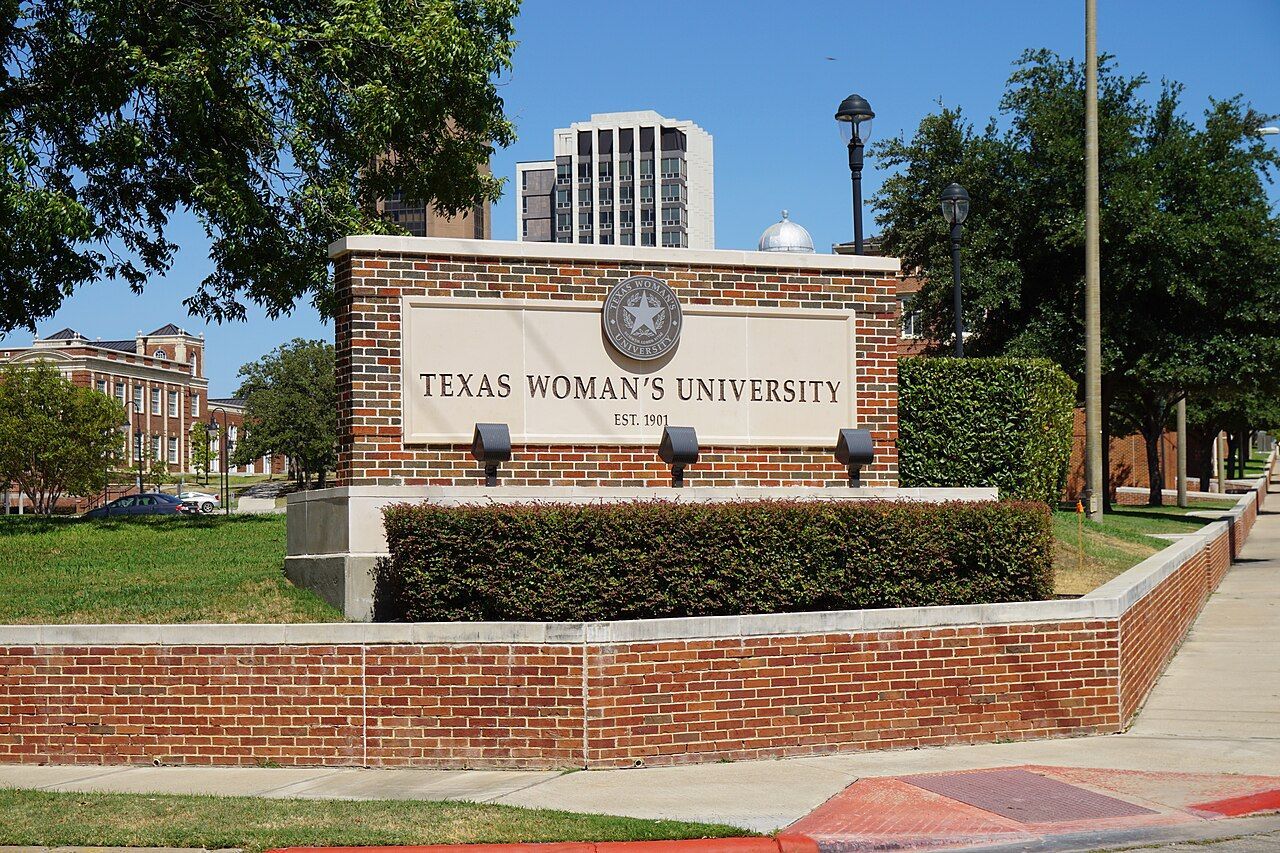
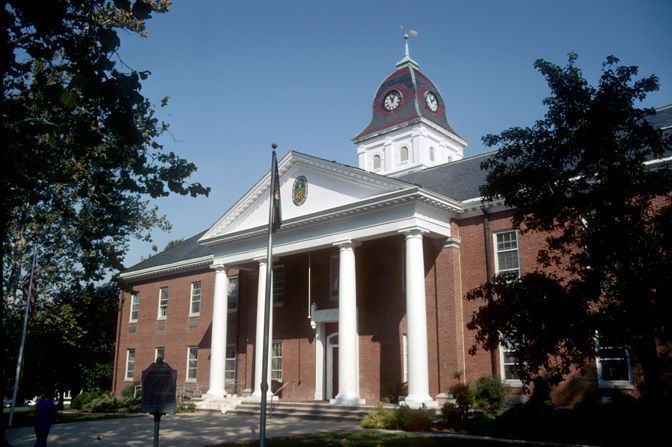
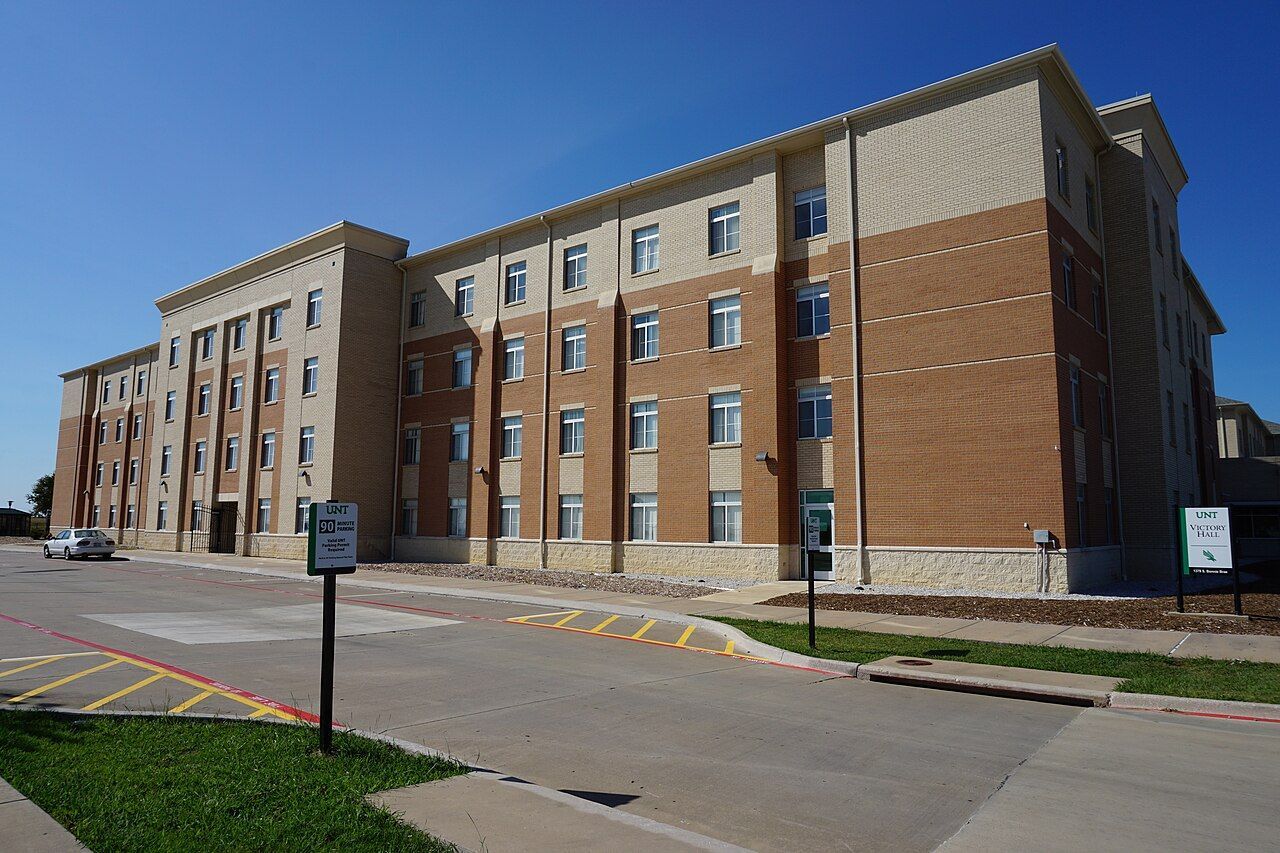
Image credit:
Michael Barera, CC BY-SA 4.0, via Wikimedia Commons
Transportation Patterns and Vehicle Use
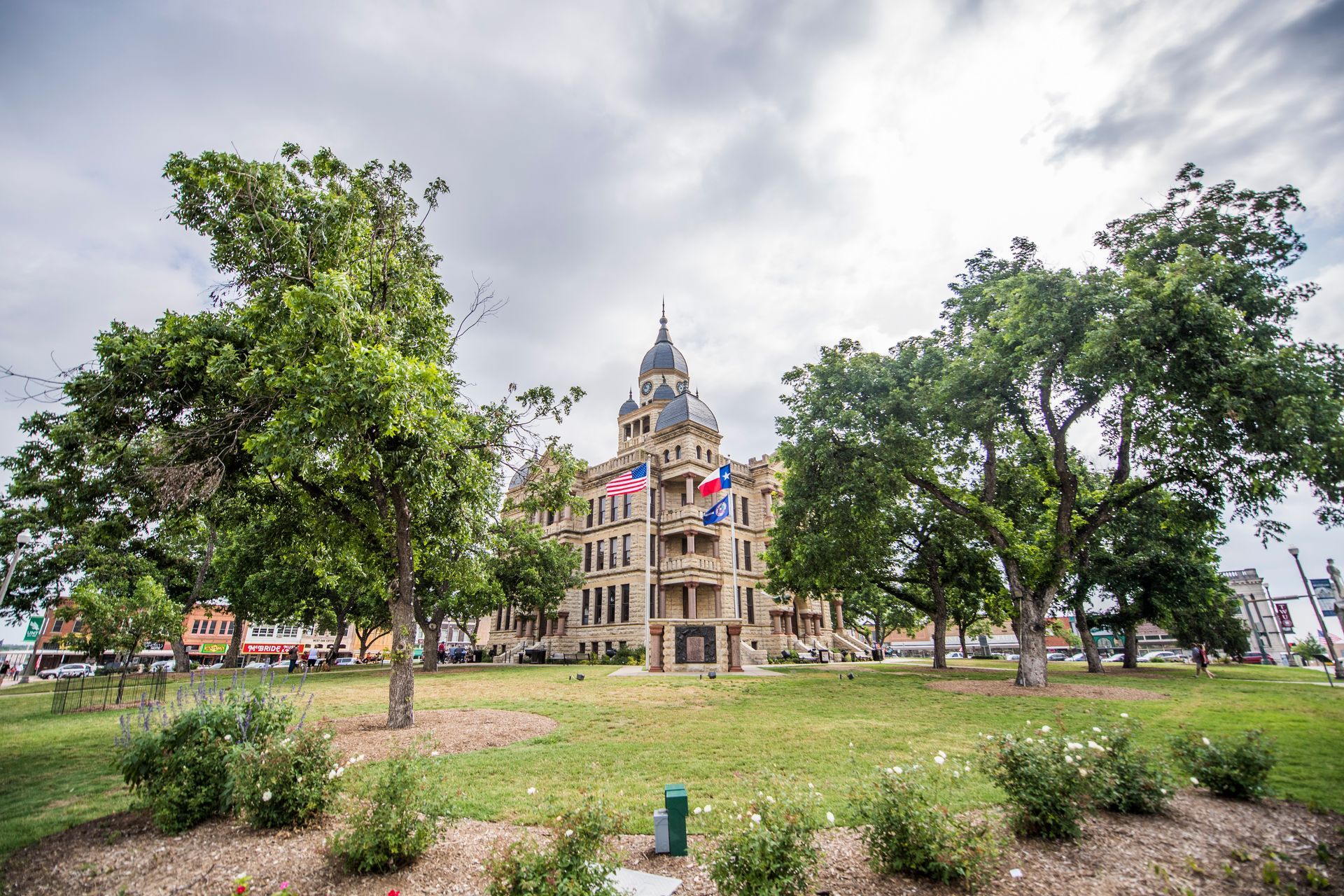
Denton’s transportation planning documents identify TWU as a key institutional stakeholder in shaping the city’s long‑term mobility network. Planners note that TWU, UNT, and DCTA influence roadway, bicycle, and pedestrian connections designed to support current and future growth.
Regional agencies such as the North Central Texas Council of Governments (NCTCOG) promote multimodal travel, including transit, walking, and cycling in and around Denton. NCTCOG’s Denton County transit work, summarized in this transit study overview, explains how regional transit and local roads interact.
Even with these efforts, a large share of TWU‑related trips still occur by private vehicle, especially for commuters traveling from other parts of Denton County and the broader DFW region. This pattern shapes demand for parking, turn lanes, and resurfacing along routes that connect campus areas with residential neighborhoods and job centers.
Time‑sensitive travel is especially important for:
- Health‑care workers commuting to hospitals and clinics
- Educators and staff traveling to schools and campus facilities
- Students working part‑time jobs or internships
Each group depends on vehicle reliability to avoid missed shifts, delayed classes, and rescheduled appointments. High traffic volumes near campus during peak hours can increase idling and stop‑and‑go conditions, which in turn add heat and strain to engines and transmissions.
Denton Climate and Vehicle Wear
Denton has a humid subtropical climate, with hot summers, mild winters, and notable rainfall that directly affect vehicle performance and maintenance. Average summer highs reach the mid‑90s Fahrenheit, and annual rainfall is around 39 inches with many sunny days; residents can review detailed figures in this Denton climate profile.
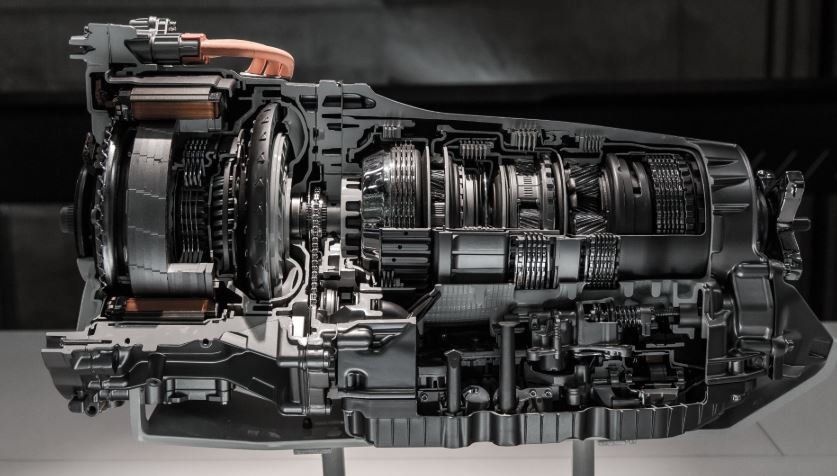
High temperatures accelerate wear on tires, transmission fluid, and other drivetrain components, especially for vehicles that operate for long hours in urban traffic. Prolonged idling at traffic lights and frequent low‑speed acceleration, common on roads around TWU and nearby commercial areas, can gradually increase transmission temperatures and fluid breakdown.
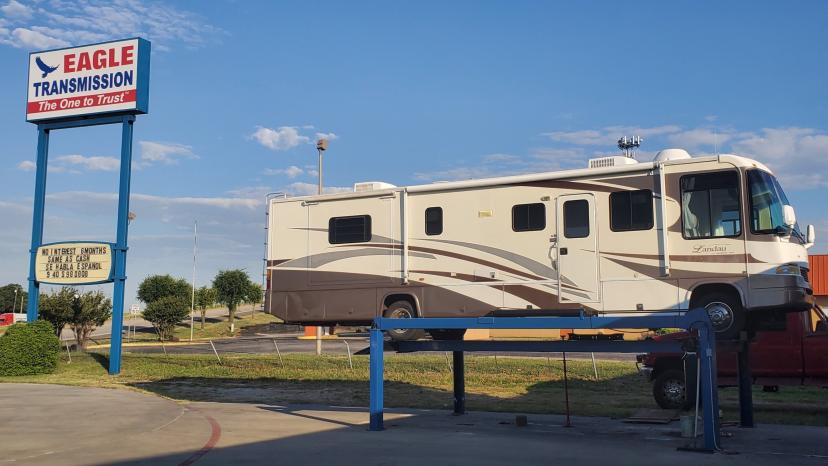
Heavy spring and early‑summer rain can create slick road surfaces and localized flooding, adding stress to braking and traction systems during daily commutes. For older or high‑mileage vehicles common among students, service workers, and independent drivers, this mix of heat, congestion, and moisture can worsen existing mechanical issues. Ride‑hailing drivers and small delivery fleets that operate for long hours around Denton face higher risks of downtime and income loss when climate‑related wear leads to breakdowns or transmission problems.
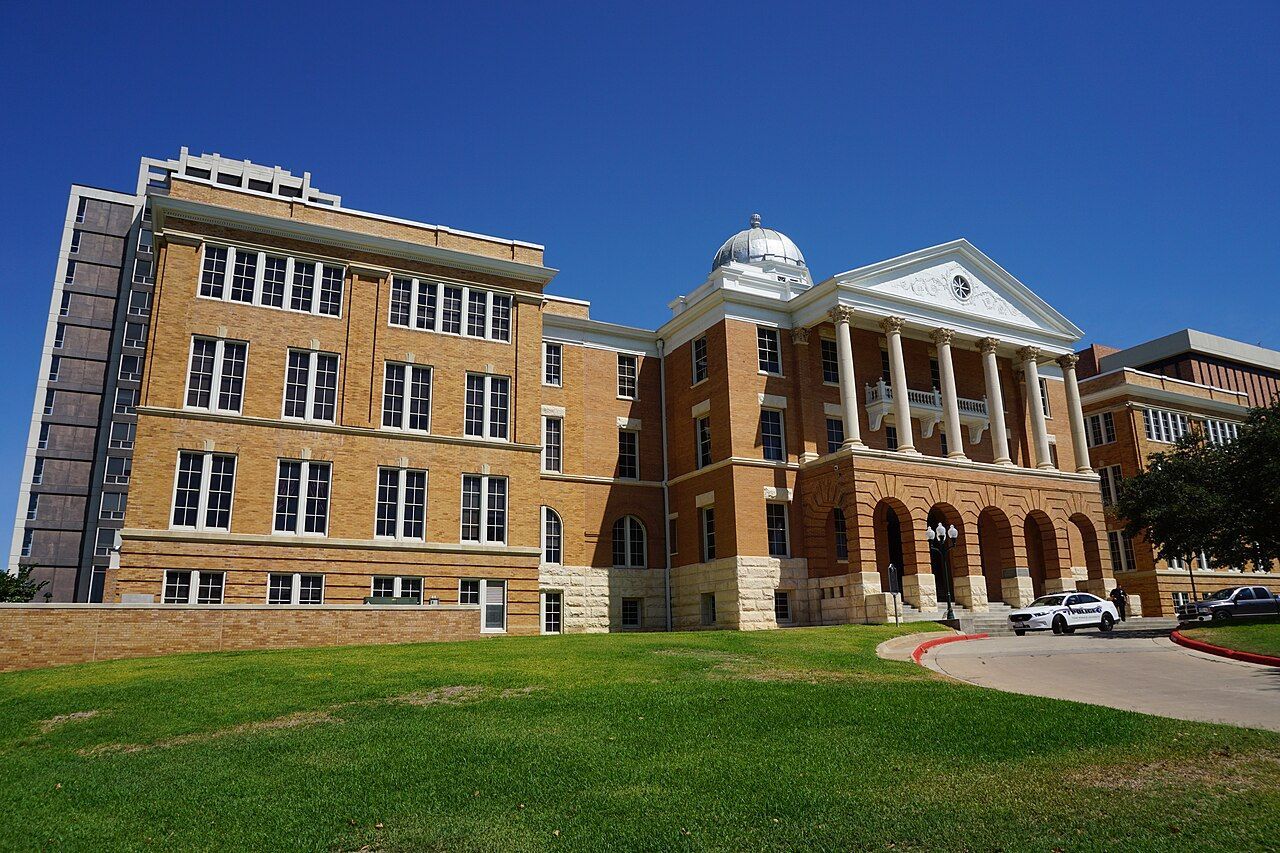
Image credit: Michael Barera, CC BY-SA 4.0, via Wikimedia Commons
Education, Talent, and Mobility‑Dependent Work
TWU expands Denton’s human‑capital base by increasing access to higher education and specialized training. The university offers numerous undergraduate and graduate programs, including business and health‑related degrees that support management, logistics, and service operations across North Texas.
Workforce organizations such as Workforce Solutions for North Central Texas connect TWU students and graduates with employers in Denton and nearby communities. Many of these roles involve field visits, community outreach, or mobile services that depend on reliable vehicles to reach clients and partner sites.
Denton’s economic development reports highlight the importance of women‑owned businesses and entrepreneurs, groups supported by TWU’s community‑focused initiatives. Small enterprises in trades, home services, and mobile professions often operate one or more vehicles, linking the university’s entrepreneurial ecosystem to everyday mobility needs on Denton’s road network.
Why TWU Matters for Vehicle‑Dependent Residents
For everyday car owners in Denton, TWU’s presence increases traffic volumes along major corridors, shapes commuting patterns, and supports ongoing investment in roadway and transit infrastructure. These dynamics influence congestion levels, travel times, and wear on personal vehicles used for work, school, and family trips.
For fleet and business operators, TWU and the broader higher‑education cluster help stabilize demand for services across the academic year, reinforcing the need for vehicles that can handle repeated trips in hot, congested conditions. Ride‑hailing and delivery drivers serving campus and surrounding neighborhoods must also manage peak‑hour surges, which adds stress to transmissions, braking systems, and cooling components over time.
Taken together, TWU’s educational programs, workforce role, and place in Denton’s transportation planning make it a central factor in how residents move through the city and maintain their vehicles. Understanding this connection helps drivers, employers, and planners anticipate how future enrollment growth, new facilities, and regional mobility plans may shape vehicle use and maintenance needs in Denton.