University of North Texas: Economic & Cultural Anchor
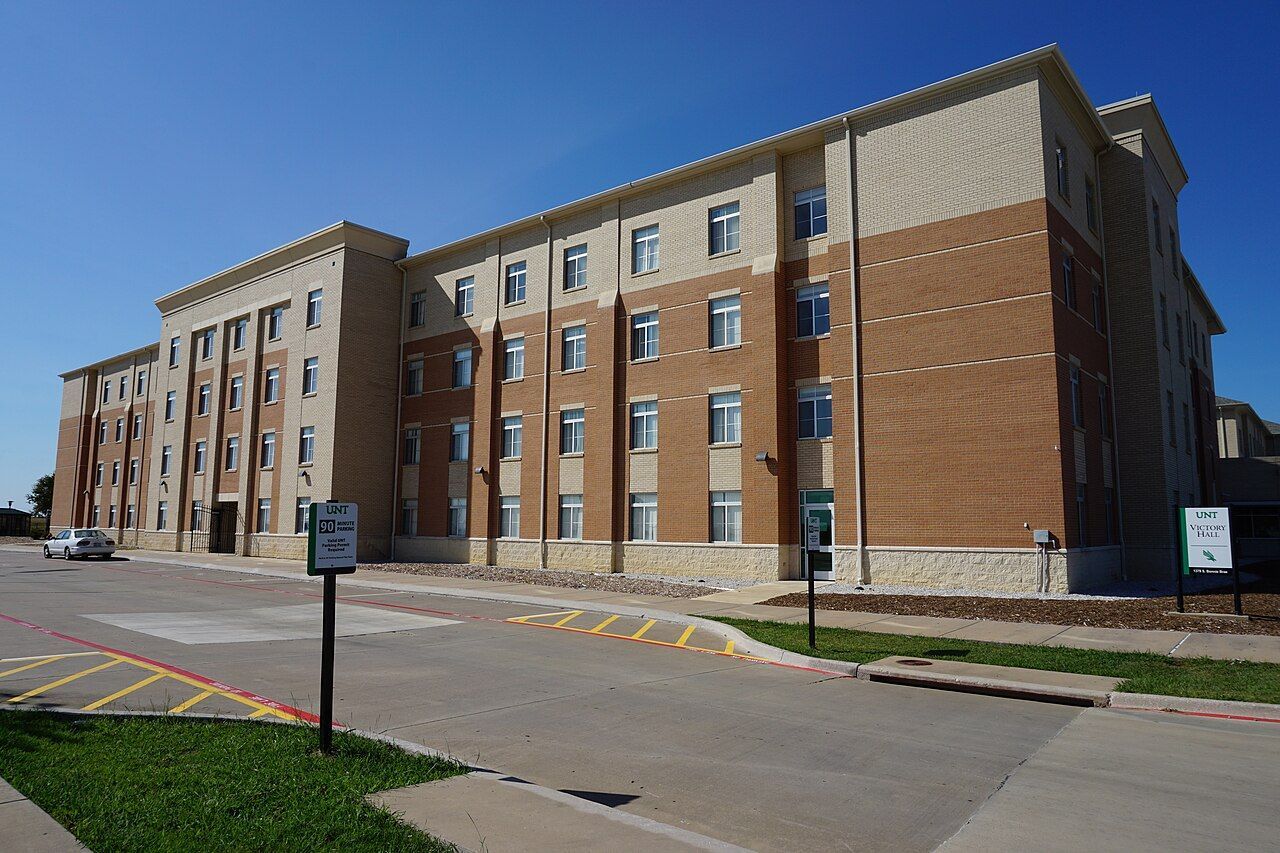
Image credit: Michael Barera, CC BY-SA 4.0, via Wikimedia Commons
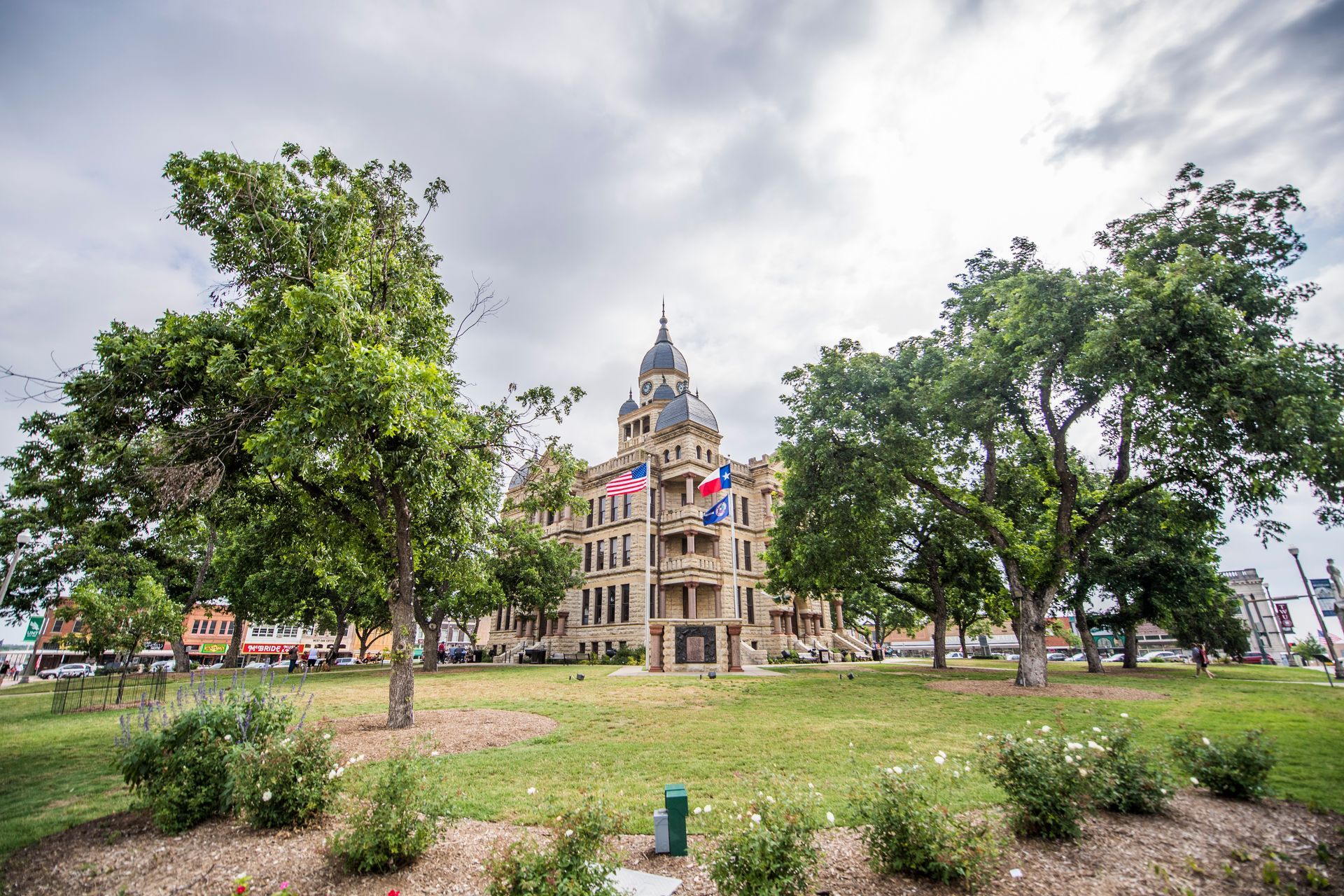
The University of North Texas (UNT) functions as both an economic engine and a cultural heartbeat for Denton and the broader North Texas region, shaping workforce pipelines, entrepreneurship, the arts, and everyday community life. Its influence extends well beyond campus boundaries, touching local businesses, public institutions, and neighborhoods across the Dallas–Fort Worth area.
Driving regional economic growth
UNT contributes to regional prosperity through jobs, research, and direct partnerships with industry and public agencies. As a large public research university within one of Texas’ fastest‑growing corridors, it helps attract investment, talent, and infrastructure to North Texas.
The university’s economists have documented billions of dollars in impact associated with development linked to UNT research and expertise, including long‑running work on transit‑oriented development around Dallas Area Rapid Transit (DART) stations. A 25‑year study of transit‑oriented development around DART light rail corridors highlights how evidence‑based planning and policy analysis from UNT and its partners can shape regional land use, tax bases, and job creation.
Workforce and talent accelerator
UNT’s strategic vision centers on preparing a skilled workforce that meets the needs of a changing economy, from technology and logistics to healthcare and creative industries. The university’s five‑year Look North: UNT 2030 strategic plan is paired with a 100‑million‑dollar fundraising campaign to expand scholarships, career‑connected learning, and high‑impact programs across the region.
Through the region‑wide Texas Talent Accelerator, UNT convenes employers, colleges, economic development groups, and chambers of commerce to align curricula, micro‑credentials, and internships with high‑demand jobs in North Texas. Local leaders see this collaborative model as a way to keep growing companies in the area while ensuring students graduate with skills that match real workforce needs.
Health, science, and community well‑being
UNT’s health and science programs add another dimension to its role as an anchor institution, both training professionals and supporting community well‑being. UNT Health Fort Worth has expanded programs in nursing and allied health fields to meet regional shortages in critical healthcare roles.
These programs are embedded in a broader commitment to community engagement at UNT Health Fort Worth, where teams partner with local organizations to advance health, opportunity, and economic mobility across Tarrant County and surrounding communities. By connecting students, clinicians, and nonprofits, UNT helps build a more resilient healthcare ecosystem for North Texas residents.
Catalyst for research and innovation
As a research institution, UNT channels faculty and student expertise into solutions for public and private partners, from transportation and environmental resilience to data analytics and public health. Its Economic Research Group and other centers provide long‑term impact analyses that guide infrastructure decisions, land‑use planning, and regional investment strategies.
Across campus, community‑engaged research at UNT connects scholars with schools, nonprofits, and local governments to co‑create tools, policies, and interventions that respond to real community priorities. This applied approach strengthens UNT’s role as a bridge between academic expertise and on‑the‑ground decision‑making in North Texas.
Cultural hub for Denton and beyond
UNT is equally vital as a cultural anchor, sustaining Denton’s reputation as a creative, music‑rich college town and widening access to the arts across the region. Nationally recognized programs in music, art, and media help fuel a vibrant local scene that includes venues, festivals, and galleries supported by students, alumni, and faculty.
Local coverage in outlets such as the Denton Record‑Chronicle’s arts and culture section illustrates how UNT performances, exhibitions, and community events are woven into the city’s cultural calendar, drawing residents and visitors alike. These activities give students real‑world platforms to develop as artists and cultural organizers while deepening Denton’s identity as a college town with a strong creative pulse.
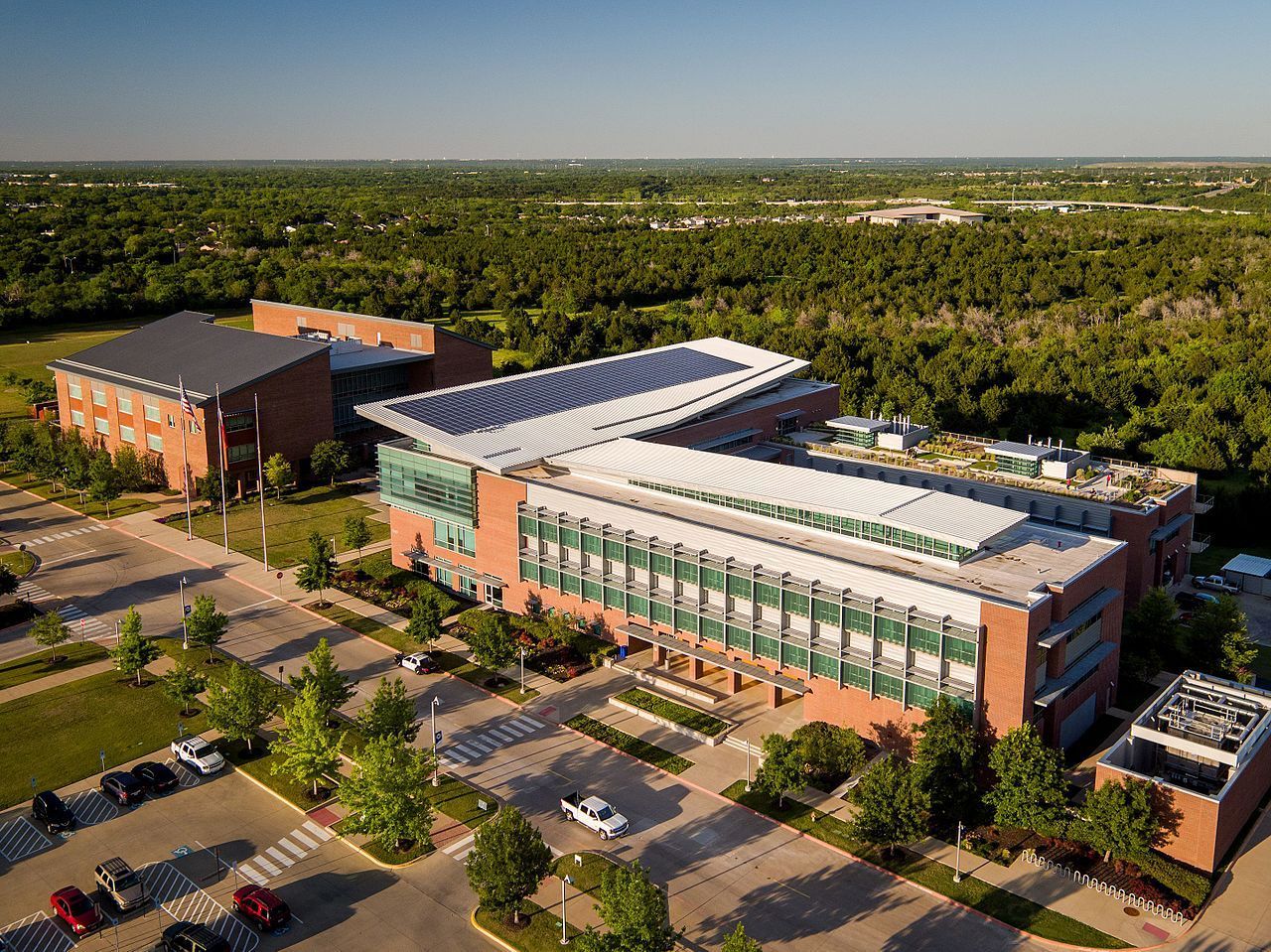
Image credit: Dak0013, CC BY-SA 4.0, via Wikimedia Commons
Applied humanities and community storytelling
Recent investments in the humanities highlight how UNT understands culture as a living, collaborative process. The Lab for Experimental Arts and Public Humanities (LEAPH) functions as an incubator where faculty and students partner with community groups on public‑facing projects that blend research, storytelling, and creative practice.
Initiatives such as the Milpa Agricultural Placemaking Project, Neuro‑Narratives, and the Texas Animal Humanities Project connect themes like food justice, mental health, and ecology with on‑the‑ground programming that residents can participate in directly. Through seed libraries, community gardens, and multimedia storytelling, the lab translates big ideas into tangible local experiences that strengthen Denton’s cultural fabric.
Partner to cities, schools, and nonprofits
UNT’s anchor role is reinforced by its sustained relationships with cities, school districts, and nonprofit organizations throughout North Texas. Regional leaders regularly appear in UNT’s State of the University communications, emphasizing shared goals around workforce development, innovation, and community well‑being.
These partnerships go beyond one‑time events; they include joint planning efforts, long‑term research collaborations, and service‑learning courses that send students into local classrooms, agencies, and community organizations. By remaining deeply embedded in local networks, UNT helps the North Texas region respond to challenges such as workforce gaps, demographic shifts, and infrastructure needs with a coordinated, future‑focused approach.
A resilient anchor for North Texas
In an era of demographic change and shifting higher‑education trends, UNT’s steady system‑wide enrollment growth over the past decade underscores its resilience and continued relevance. The university’s strategic focus on talent development, research, and community impact positions it as a long‑term partner for North Texas cities seeking sustainable economic and cultural vitality.
Taken together, UNT’s economic analysis, workforce initiatives, cultural programming, applied humanities, and community health efforts demonstrate how a public university can function as a durable anchor for its region. For North Texas, the University of North Texas is not just a place of learning—it is a key collaborator in building a more prosperous, creative, and connected future.