North Texas State Fair and Rodeo Guide | Denton, TX
The North Texas State Fair and Rodeo is one of the largest annual agricultural fairs in the state, drawing hundreds of thousands of visitors to Denton each August. Held at the North Texas Fairgrounds and Rodeo on the city's east side, the event spans roughly ten days and anchors late-summer activity across the entire Denton County region. For vehicle owners across the metroplex, the fair represents one of the highest-traffic periods on local roads throughout the year.
What the Fair Covers
The North Texas State Fair and Rodeo operates as a full-scale county fair with agricultural, entertainment, and competitive programming running simultaneously. Livestock competitions, carnival rides, live concerts, rodeo events, and vendor exhibits fill the fairgrounds across the event's run. The rodeo component features sanctioned events including bull riding, barrel racing, and team roping, drawing competitors from across the Southwest.
Attendance typically exceeds 200,000 visitors over the course of the fair, according to historical figures published by the North Texas Fair and Rodeo Association. That volume concentrates significant foot and vehicle traffic along Loop 288, Highway 380, and the surrounding surface streets in east Denton.
Location and Access
The fairgrounds sit at 2217 N. Carroll Boulevard in Denton, positioned near the intersection of Loop 288 and Highway 380 — two of the city's primary east-west corridors. Parking is available on-site and at designated overflow areas nearby. Visitors traveling from the Dallas-Fort Worth area typically arrive via I-35E northbound, exiting toward Highway 380 or McKinney Street.
Traffic congestion during peak fair hours — typically evenings and weekends — can extend commute times significantly for residents in east Denton and the surrounding ZIP codes. Drivers pulling trailers with livestock, campers, or recreational equipment are common during this period, which adds load stress to transmissions operating in stop-and-go conditions.
Denton's Summer Climate and Vehicle Impact
August in Denton brings sustained heat, with average high temperatures regularly reaching the mid-90s°F and heat index values that can exceed 105°F on peak days. The National Weather Service confirms that the Dallas-Fort Worth region — which includes Denton County — ranks among the most heat-stressed in the country during July and August. The combination of high ambient temperatures and extended idling in fair traffic places additional thermal stress on vehicle drivetrains.
Automatic transmissions rely on transmission fluid (ATF) to manage heat; when fluid is degraded or low, operating temperatures can spike well beyond the safe threshold of approximately 200°F that most transmission manufacturers specify. North Texas summers are among the most demanding conditions for vehicle cooling and lubrication systems in the region.
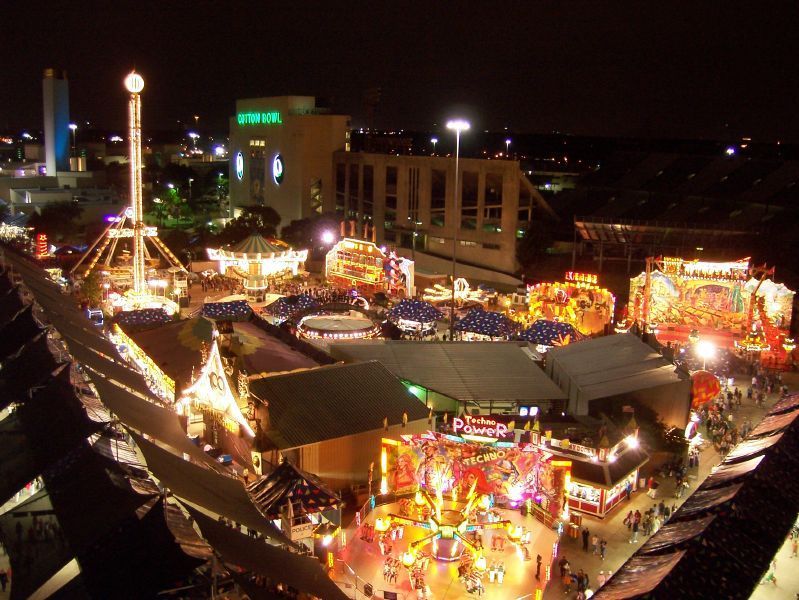
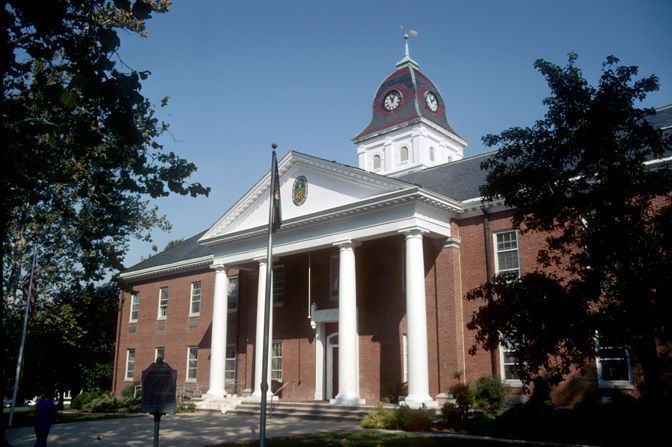
Image credit: wickedchimp from Dallas, Texas, United States, CC BY 2.0, via Wikimedia Commons
Transmission Considerations During High-Traffic Events
Stop-and-go driving, common around event venues and fairground parking areas, puts specific demands on automatic transmissions that differ from highway driving. Frequent gear cycling, torque converter engagement and disengagement, and elevated fluid temperatures work together to accelerate wear if maintenance intervals have been missed.
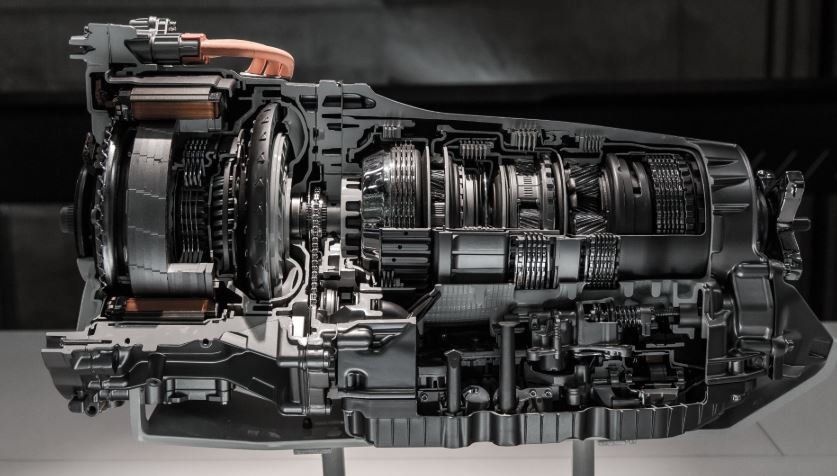
Key transmission components affected during high-heat, high-traffic driving include:
- Transmission fluid — Breaks down under sustained heat, losing its ability to lubricate and cool internal components
- Torque converter — Engages repeatedly at low speeds, generating friction heat
- Clutch packs — Subject to wear during frequent gear changes in slow traffic
- Solenoids — Electronic valves that regulate fluid pressure; sensitive to fluid quality and temperature
The U.S. Department of Energy notes that proper vehicle maintenance — including fluid checks — directly affects fuel efficiency and drivetrain longevity, particularly under high-load driving conditions like towing or stop-and-go traffic.
Regional Infrastructure and Fair-Period Travel
Denton County's road network has expanded considerably over the past decade to accommodate growth in the northern Dallas-Fort Worth corridor. However, the fairgrounds' location near Loop 288 means that event traffic funnels through some of the city's older arterial roads, which were not originally designed for modern event-volume throughput. The Texas Department of Transportation provides real-time travel planning resources that are particularly useful during high-traffic event periods across North Texas.
Drivers traveling from outlying areas — Lewisville, Flower Mound, Little Elm, or Corinth — often use Highway 423 or FM 2181 to reach the fairgrounds, adding mileage and exposure to heat-stressed driving conditions. For commercial vehicles or trucks used in agricultural operations, transmission durability over these routes is a practical consideration, not just a maintenance checkbox.