Transmission Learn Library
Rebuild when the case and core are sound and the failure is internal — it's usually the cheapest path with a like-new warranty. Choose a remanufactured unit when the case is cracked, it's a CVT, or the rebuild quote nears the car's value. Only walk away when the repair would cost more than the vehicle is worth. Most guides push one answer because they sell one thing; this is an independent, ASE-reviewed decision framework — the four options side by side, and how to find the one that fits your situation.
The One-Line Rule
Here's the whole decision in a sentence. Rebuild when the case and core are sound and the failure is internal — it's usually the least expensive path and comes with a fresh warranty. Go remanufactured (or replacement) when the case is cracked, it's a CVT that can't be practically rebuilt, or the rebuild quote climbs toward the car's value. Only walk away from the repair entirely when it would cost more than the vehicle is worth. Everything below is how to place your car in that rule with confidence.
Your Four Options, Side by Side
The four real paths, compared on what actually drives the decision. (Scroll the table sideways on a phone.)
| Factor | Rebuild | Used replacement | Strong warranty Remanufactured | New / factory |
|---|---|---|---|---|
| What it is | Your own unit torn down, worn parts replaced to spec, road-tested | A different used unit of unknown history swapped in | A plant-restored unit built to factory spec, swapped in | A brand-new factory unit |
| Typical national cost | Lower — you reuse the case | Lowest up front, highest risk | Higher than a rebuild | Highest |
| Warranty | Shop warranty, often 12–36 months | Short or none | Standardized, often nationwide | Factory warranty |
| Lead time | A few days, done in-house | Fast if one's in stock | Days, plus shipping | Longest, often dealer-ordered |
| Best when | Case and core are sound; internal failure | Tight budget and you accept the risk | You want a strong warranty, or the case is cracked/CVT | A high-value or newer vehicle worth the investment |
| Watch out for | Shop quality varies — ask about the rebuilder | Unknown history; it can fail again soon | Costs more; confirm the warranty terms | Highest cost; rarely the value pick on an older car |
These are national published estimates to guide the decision — we quote your exact job in a written estimate before any work. For what actually drives a rebuild's price line by line, ask us for the cost breakdown.
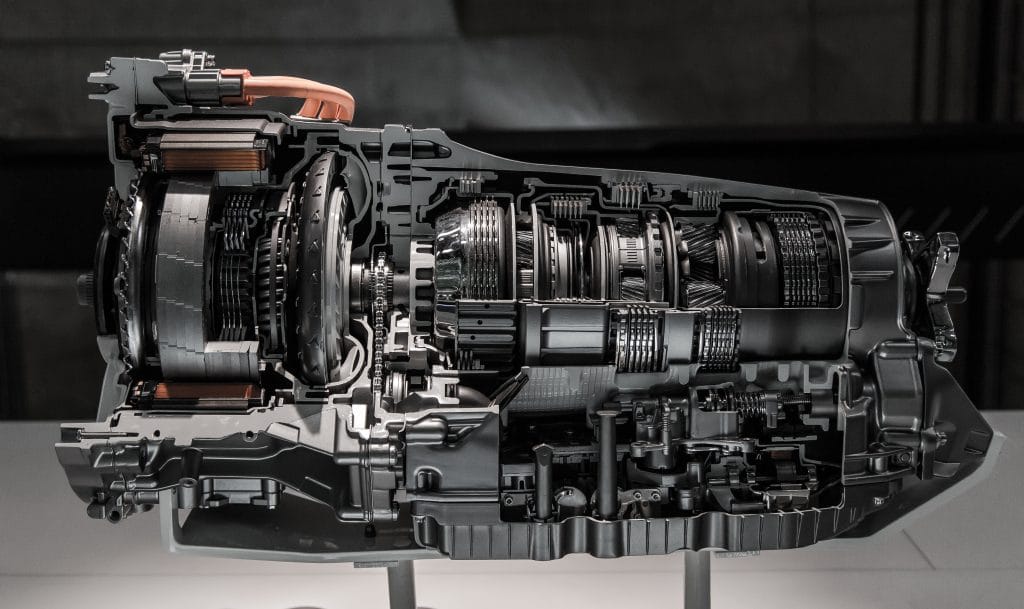
What Each One Actually Involves
Half the confusion in the forums is that people use these words interchangeably. They're genuinely different jobs, and knowing which is which makes the whole decision clearer.
Which Path Fits Your Situation
Most decisions fall into one of these. Find the one that matches yours for the path it usually points to.
The housing is intact and the failure is inside — worn clutches, bands, or a converter. This is the classic rebuild case: usually the least expensive path, with a fresh warranty.
If the case itself is cracked, a rebuild often isn't practical — there's nothing sound to rebuild into. A remanufactured or replacement unit is the realistic path.
Most CVTs aren't practically shop-rebuildable — their design and specialized parts usually make a remanufactured or replacement unit the better and more reliable choice.
When the repair estimate climbs toward what the car is worth — and the rest of the vehicle is tired — a used unit or walking away can be the honest call.
These are starting leans, not verdicts — the mileage, maintenance history, and the rest of the drivetrain move the line. A hands-on inspection is what turns a lean into a decision.
Route by Your Specific Case
A few situations deserve their own answer. Find yours.
There's no sound core to rebuild, so the choice is remanufactured or replacement. We'll confirm the damage and price the realistic paths — not sell you a rebuild that can't work.
Get the Transmission InspectedCVTs rarely make sense to rebuild in-shop. We'll tell you honestly whether yours is a candidate or whether a remanufactured unit is the smarter, more reliable route.
Get the Transmission InspectedThis is the walk-away conversation, and we'll have it straight with you — including financing on an approved repair if the car is otherwise worth keeping.
Financing OptionsNot every drivetrain noise is the transmission. On 4WD and AWD vehicles, the differential or driveline can mimic transmission trouble — worth ruling out before any big decision.
Differential RepairWhy the Decision Has a Clock
The cheapest option — a rebuild — depends on the core still being good. Driving on a failing transmission is what removes it.
Every mile can turn a rebuildable unit into a replace-only one.
Caught early, all four options are still on the table.
The decision is cheapest when the core is still good. Every mile driven on a failing unit can narrow your options.
Rebuild-vs-Replace Myths
The forums are full of these, and each one leads someone to overpay or under-fix.
Rebuilt is always the cheapest.
Usually, when the core is sound — but if the case is cracked or the core is contaminated, a rebuild isn't possible or isn't cheaper than a good remanufactured unit. The core's condition decides it.
A used transmission is a safe bargain.
It's the lowest price and the highest risk. You're buying an unknown-history unit with little or no warranty — sometimes fine, sometimes a second repair a year later.
Remanufactured means refurbished junk.
The opposite — remanufactured units are restored to factory spec at volume, often with updated parts and a standardized, often nationwide warranty. They typically cost more for exactly that reason.
High mileage always means replace.
There's no magic mileage. A well-maintained higher-mileage car can be well worth rebuilding; the real test is repair cost versus the car's value and overall condition.
The neutral read: the right answer depends on your car's core, your car's value, and the warranty you want — not on which part someone's trying to sell.
Reviewers mention it repeatedly: we tell people straight when a rebuild makes sense and when it doesn't — including when the honest answer is to replace or walk away. That neutral call is exactly what this guide is about.
Rebuild vs. Replace FAQ
Usually a rebuild is cheapest when the case and core are sound, because you reuse the housing and replace only the worn internals. A used replacement can look cheaper up front but carries the most risk and the shortest warranty; a remanufactured unit costs more but adds a standardized, often nationwide warranty. We quote every job in a written estimate before any work.
There's no magic mileage number. The real test is the ratio of repair cost to the car's current value, plus the condition of the rest of the drivetrain and vehicle. A well-maintained higher-mileage car can absolutely be worth rebuilding; a rough car where the quote approaches its resale value usually isn't.
A rebuilt transmission is your own unit torn down at a shop, with worn parts replaced and reassembled to spec. A remanufactured transmission is restored to factory specification in a plant — often with updated parts and a standardized warranty — and swapped in as a unit. Remanufactured typically costs more but travels with a broader warranty.
Sometimes, but most CVTs are not practically shop-rebuildable — their design and specialized parts usually make a remanufactured or replacement unit the better path. If you have a CVT, the decision leans toward replacement, and it's worth confirming with a shop that works on them.
When the repair would cost more than the vehicle is worth, or the rest of the car is rough enough that a good transmission won't extend its life much. If the quote approaches the car's resale value and other major systems are also failing, walking away is the honest call.
ASE-Certified · ATRA Member · Since 1995
The right call depends on your car's core, its value, and the warranty you want. Our ASE-certified technicians inspect the transmission, tell you honestly whether to rebuild, replace, or walk away, and put it in a written estimate before any work begins. Free local towing up to 20 miles on most vehicles if it can't drive in.